
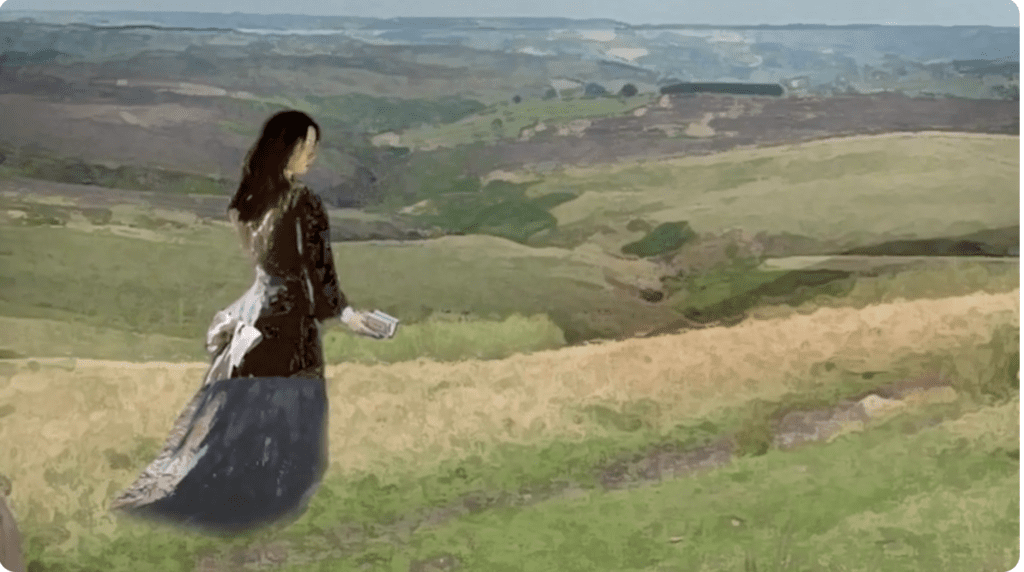
“Lines Composed in a Wood on a Windy Day” is a short, exhilarating lyric poem by Anne Brontë. It was first published in the 1846 collection Poems by Currer, Ellis and Acton Bell — the collaborative debut of the three Brontë sisters published under their pseudonyms. Anne wrote the poem on December 30, 1842, during her time as a governess at Thorp Green Hall.
The poem consists of three quatrains and captures a moment of intense spiritual and emotional awakening sparked by a wild, windy day in the woods. In the opening stanza, the speaker describes her soul being lifted and carried aloft by the roaring wind, which stirs a sense of rapture in both the natural world and in herself. The second stanza paints a vivid picture of the landscape around her — withered grass catching the light, bare trees tossing their branches, dead leaves dancing, and white clouds rushing across a blue sky. The final stanza shifts from the immediate scene to longing: the speaker wishes she could witness the ocean in its full storm-driven fury, with waves crashing and spray whirling.
The poem expresses Anne’s love of the sea, which is portrayed as a kind of “Great Liberator,” and reflects the power and spiritual effect of the wind on the human soul. Though it shows some signs of hasty composition, the critic Winifred Gérin considered it probably Anne Brontë’s finest poem.
At its heart, the poem is a celebration of wild nature as a force that awakens and elevates the human spirit — a theme central to much Romantic and Victorian poetry, but rendered here with Anne’s characteristic directness and emotional sincerity. Narrated by Emma Mickelwright.
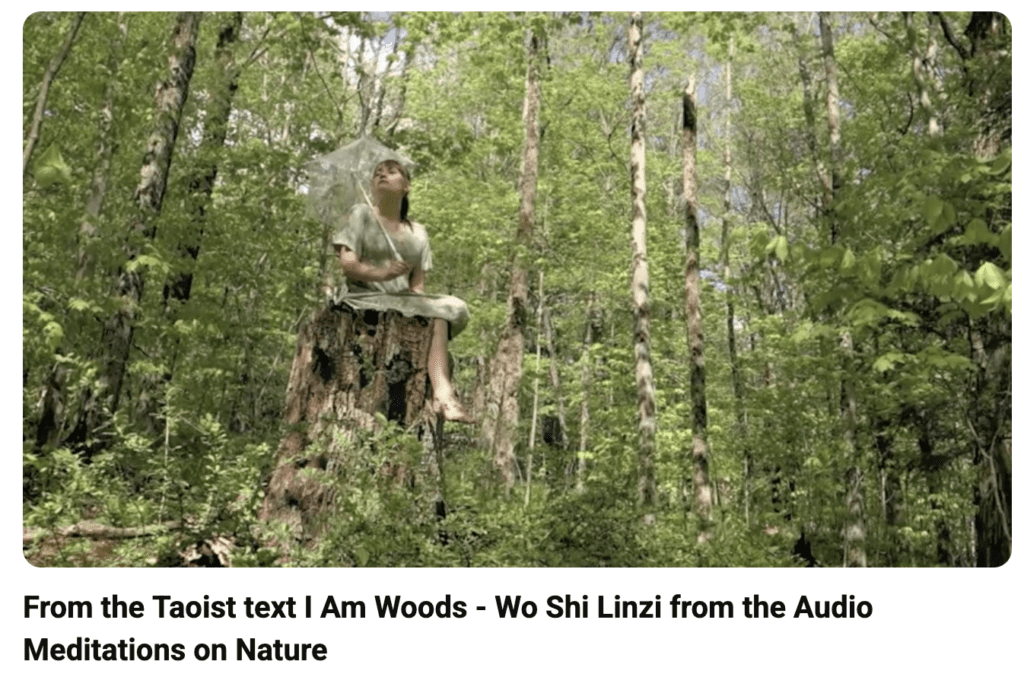
Taoist nature poetry is a lyrical tradition rooted in the philosophical conviction that the natural world is the most direct expression of the Tao — the ineffable, ever-flowing force that underlies all existence. Taoist nun poetry, flourishing during China’s Tang and Song dynasties, blends mystical contemplation with natural imagery. These women poets explored themes of solitude, cosmic harmony, and spiritual transcendence, weaving Taoist philosophy into verse that celebrated mountain retreats, inner stillness, and the quiet power of living in alignment with the Tao.
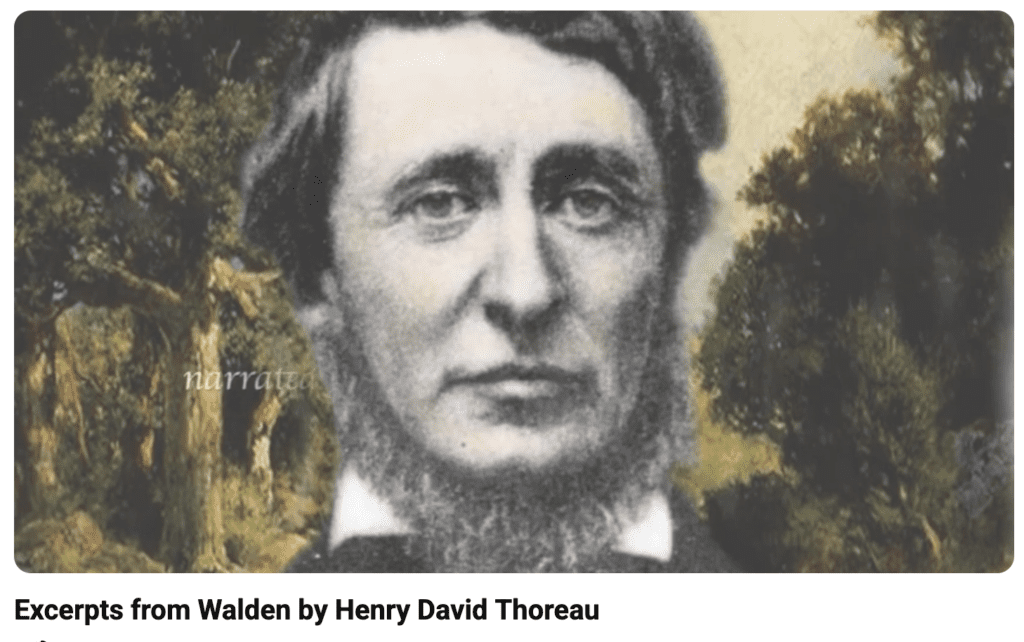
Henry David Thoreau sought the divine in the everyday wilderness, transforming nature into a sacred text. At Walden Pond, he listened for eternity in the rustle of leaves and the stillness of water, believing the natural world pulsed with spiritual truth invisible to hurried minds. A devoted transcendentalist, he saw forests, seasons, and solitude as pathways to the soul’s deepest wisdom — insisting that to walk in nature was, ultimately, to walk toward God. Narrated by Jonathan Epstein
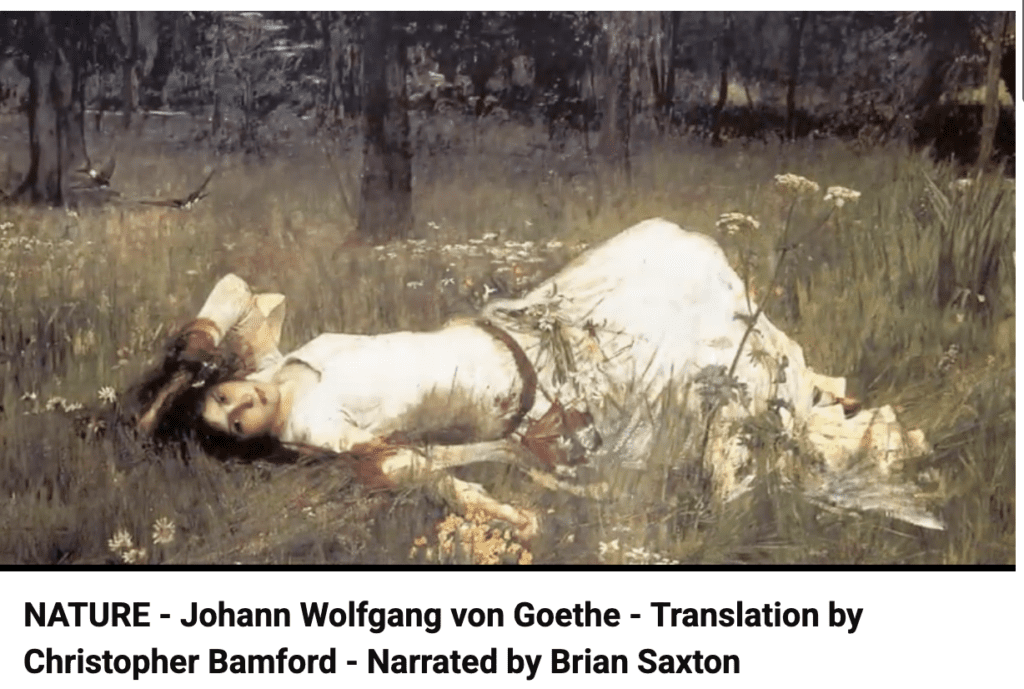
Goethe’s “Nature” (1782) is a rhapsodic prose poem portraying Nature as an all-encompassing, enigmatic mother figure. She is paradoxical — generous yet indifferent, creative yet destructive, constant yet ever-changing. Humanity exists within her, unknowing and unknowable to itself. She governs all life through unbreakable laws, yet her deepest essence remains a mystery, forever beyond human comprehension. (Image Wikicommons).
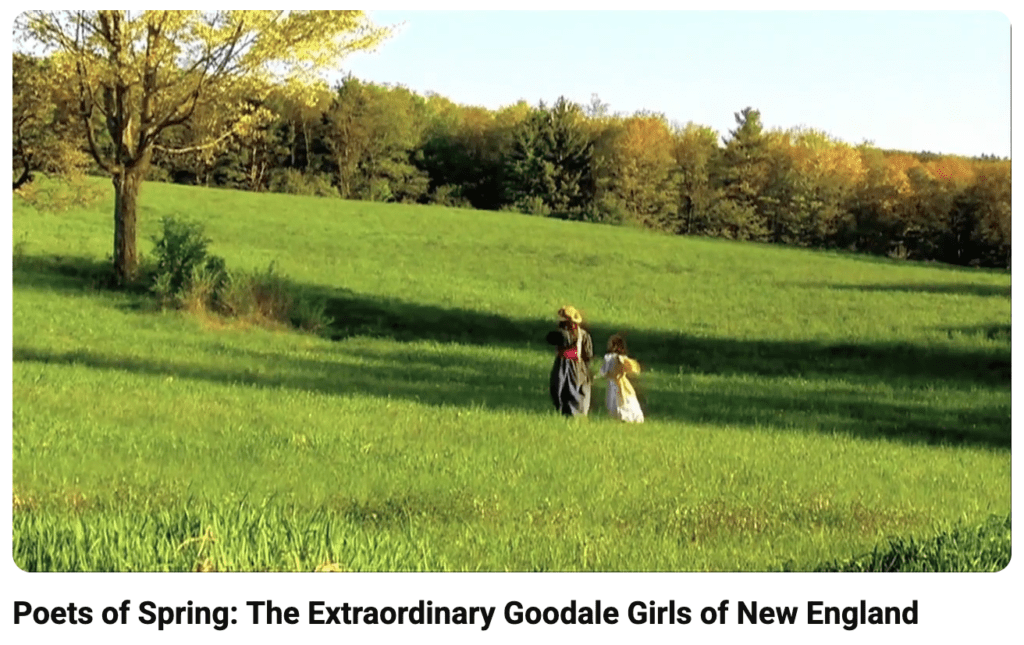
Sisters Elaine and Dora Goodale grew up steeped in New England Transcendentalist culture on their Massachusetts farm, Sky Farm, writing verse from early childhood. Their debut collection, Apple Blossoms, published in 1878 when Elaine was just fifteen, became a bestseller. Rooted in nature’s seasonal rhythms and pastoral beauty, their poetry earned admiration from Longfellow and a lasting place in American literary history.